- Sour espresso is usually under-extracted: the water hasn't pulled enough from the coffee. Grind finer or let the shot run longer.
- Bitter espresso is usually over-extracted: too much has been pulled from the coffee. Grind coarser or pull a shorter shot.
- Change one variable at a time (grind, dose, temperature, time, yield); changing several at once means you won't know what fixed it.
- A reasonable starting ratio is 18g coffee in, 36g espresso out, in 25-35 seconds. Don't obsess over the exact numbers, but stay in the ballpark.
- Check puck preparation before buying anything: uneven distribution and inconsistent tamping cause water to find easy channels through the coffee, which reads as inconsistent sour or bitter shots.
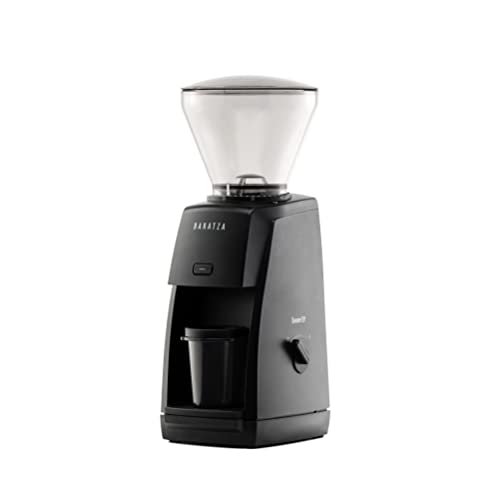
We asked ChatGPT this exact question on Sept 26, 2026 before writing this page. Its fix order matches standard espresso diagnostics, and none of it requires buying anything new, so that’s the order we give here too. If your grinder can’t make the small adjustments these fixes need, the Baratza Encore ESP is built for exactly that.
Why does my espresso taste sour?
The water hasn’t pulled enough from the coffee. Try these in order:
- Grind slightly finer. This slows the shot down and gives water more contact time with the coffee. Make small adjustments, one at a time.
- Let the shot run longer. If your espresso is coming out very quickly, that’s a strong clue. For an 18g dose, a reasonable starting point is 18g coffee in to 36g espresso out over 25-35 seconds.
- Increase brew temperature if your machine allows it. Higher temperature generally extracts more, and can be particularly useful with light-roasted coffee, which tends to need more extraction.
- Check your puck preparation. Uneven distribution can cause water to find easy channels through the coffee (see our channeling guide for the full fix list). Break up obvious clumps, distribute the grounds evenly, tamp level and reasonably firmly, and don’t bang the portafilter around afterward.
- Try a slightly larger yield. If you’re dosing 18g in for 25g out, try 18g in for 30g out instead. The additional water passing through the puck can increase extraction.
Why does my espresso taste bitter?
Too much has been pulled from the coffee. The mirror-image fixes apply: grind slightly coarser, or pull a shorter shot. If the espresso becomes dry, harsh, or ashy rather than pleasantly bitter, you’ve likely gone too far the other way and should back off.
How many variables should I change at once?
This is the biggest beginner mistake. If you change grind, dose, temperature, and extraction time all at once, you won’t know what actually fixed it. Change one variable, taste, then decide on the next change:
- Sour: grind slightly finer, taste again
- Still sour: grind slightly finer again, or increase temperature
- Bitter: grind slightly coarser, taste again
What is the quick diagnostic for a bad-tasting shot?
| What you taste | Likely issue | Try |
|---|---|---|
| Sour, shoots out quickly | Under-extraction | Finer grind |
| Sour, normal-ish flow | Under-extraction | Grind finer, longer yield |
| Sour, very slow dripping | Something else going on | Check puck prep |
| Bitter, dry/harsh | Over-extraction | Coarser grind, shorter yield |
| Bitter or sour inconsistently | Uneven extraction | Improve distribution |
One exception: if the coffee is very light roast, some acidity is intentional. You’re not necessarily trying to eliminate every acidic note, just pleasant fruit-like acidity rather than sharp, lemon-like sourness.
None of these fixes require a new machine or grinder. If you’re setting up your first machine, don’t assume your shots mean you need a better espresso machine; the grinder and puck preparation are usually where fixes live.
What if my grinder’s adjustment steps are too coarse for these fixes?
Some grinders only offer coarse click-adjustment, which makes “grind slightly finer” hard to do in small enough increments. The AMZCHEF 48-Setting has finer click-steps than a basic grinder, easier to use for the small adjustments a sour or bitter fix needs. If you’re pairing a grinder with a big-tank manual machine like the CASABREWS Ultra, the same grind-size fix above still applies since the machine itself doesn’t grind. The Breville Bambino Plus is another machine that leaves grind adjustment entirely to a separate grinder.
Sources behind the numbers
- The Baratza Encore ESP’s “micro-steps from #1-20 for high resolution espresso grinding” is sourced on this site’s studio setup comparison.
Related guides
- What causes channeling in an espresso puck, and the cheapest fixes
- Quiet, low-retention single-dose espresso grinder under $250
Questions owners ask about Espresso Tastes Sour or Bitter
My espresso comes out sour and weak. What's the fix?
That's a strong sign of under-extraction. Grind slightly finer, one small adjustment at a time, and taste again. Also check that your shot isn't running too quickly; a reasonable starting point is 18g of coffee in to 36g of espresso out over 25-35 seconds.
My espresso is bitter and harsh. What's the fix?
That usually means over-extraction. Grind slightly coarser, or pull a shorter shot. If it becomes dry, harsh, or ashy, you've probably gone too far and should back off.
Should I change grind, dose, and temperature all at once to fix a bad shot?
No. That's the most common beginner mistake. If you change several variables simultaneously, you won't know what actually fixed it. Change one thing, taste, then decide on the next change.
Can bad puck preparation cause sour or bitter shots even with the right grind?
Yes. Uneven distribution before tamping can cause water to find easy channels through the coffee, which can read as inconsistent sour or bitter results shot to shot even when your grind setting hasn't changed. Break up obvious clumps, distribute the grounds evenly, and tamp level before brewing.
Spec-checked by CremaCheck spec desk · published