- Channeling is water finding an easy path through weak spots in the puck, instead of flowing evenly through all the coffee.
- The telltale signs: the espresso stream suddenly sprays, splits into multiple thin streams, or the shot tastes sour and bitter at once.
- Free fixes come first: improve distribution, break up clumps, tamp level, and don't bang the portafilter after tamping.
- A cheap WDT tool is the highest-value accessory if free technique isn't fully solving it, well before precision baskets or bottomless portafilters.
- Don't buy expensive gear first; distribution technique and a level tamp fix most channeling without spending anything.
Quick answer: Channeling means water cut a fast path through weak spots in the puck instead of flowing evenly, usually from uneven distribution or clumped grounds. Fix it free first: distribute the grounds evenly, break up clumps, then tamp level — all $0. If free technique is not enough, a cheap WDT tool comes next, well before precision baskets or bottomless portafilters.
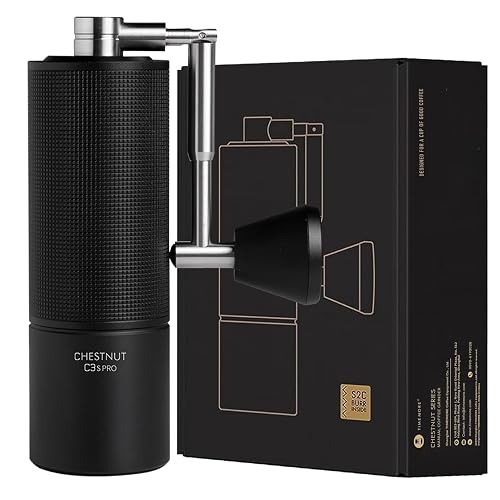
We asked ChatGPT this exact question on Sept 26, 2026 before writing this page. Its cheapest-first fix order matches how we’d rank it, so this guide follows that order rather than jumping to a product recommendation. If a fine-adjustment hand grinder like the TIMEMORE Chestnut C3S Pro is on your list anyway, its adjustment helps here too.
What is channeling in an espresso puck?
Channeling is water finding an easy path through weak spots in the coffee puck, instead of flowing evenly through all of it. Water rushes through thin or loose areas, under-extracting them, while denser areas barely get touched. The result often tastes both sour and bitter in the same sip, because you’re tasting under-extracted and over-extracted coffee at once.
What to watch for: the espresso stream suddenly sprays, or splits into thin, fast, spurting streams instead of a single steady flow.
What are the five most common causes of channeling?
Uneven distribution is the most common one, and the other four are uneven tamping, inconsistent grind, too much coffee for the basket, and too fast an extraction.
- Uneven grounds distribution. Clumps or piles leave weak spots for water to shoot through.
- Uneven tamping. A tilted tamp encourages water toward the shallow side.
- Grinder producing inconsistent grounds. Lots of clumps or an uneven particle size distribution makes even distribution harder no matter your technique.
- Too much coffee for the basket. An overfilled puck can get compressed unevenly against the shower screen.
- Very fast extraction. A grind that’s too coarse lets water rush through weak areas before it can extract evenly.
What are the cheapest fixes for channeling, in order?
$0: Improve distribution. After grinding into the basket, gently shake or tap the portafilter to level the grounds before tamping. That’s probably the single highest-value free improvement.
$0: Break up clumps. If your grinder produces clumps, use something thin and clean to gently stir through the grounds before tamping. You don’t need a fancy distribution tool to start.
$0: Fix your grind. If shots are racing through the puck, go slightly finer. Don’t make one huge adjustment; change one variable at a time.
$0: Check your dose. Use the basket’s intended dose rather than cramming in extra coffee.
$0: Tamp consistently. Tamp level and evenly with reasonable, consistent force. The important part is getting a level, evenly-compressed puck.
What should you not buy first to fix channeling?
Don’t immediately buy expensive WDT tools, elaborate distribution methods, puck screens, precision baskets, or upgraded portafilters. A cheap WDT (Weiss Distribution Technique) needle tool can eventually be useful, but good distribution and a decent grinder matter more.
What is the $0 workflow for fixing channeling?
Grind, gently distribute, break up clumps, level, tamp straight down, lock in, brew. If you’re getting shots suddenly spraying or splitting into multiple streams, channeling is a very plausible culprit. Spend $0 on accessories first and learn that workflow. You can add a cheap WDT tool later if your grinder consistently produces clumps that free technique doesn’t fix.
Is your grinder causing the clumps that cause channeling?
Some grinders clump more than others regardless of technique. The HiBREW G5 uses a 48mm conical burr that grinds at a stated 400-500 rpm; a slower, cooler grind like that tends to clump less than a fast, hot one.
The OXO Brew Compact offers 29 micro-adjustments, fine enough to dial around a clumping grind. If you’re pairing a grinder with a big-tank manual machine like the De’Longhi Classic Signature, the same distribution and tamping fixes above apply regardless of which machine is pulling the shot.
Sources behind the numbers
- Amazon: TIMEMORE Chestnut C3S Pro listing: “S2C660 patent conical burr”. Price of $95.00 and in-stock status checked Oct 7, 2026.
- The grind-consistency specs referenced above are sourced on this site’s studio setup comparison and quiet grinder comparison.
Related guides
- Espresso tastes sour or bitter: the fixes to try before buying anything
- What burr type should your grinder use: conical or flat?
More on What Causes Channeling in an Espresso Puck, and the Cheapest Fixes
What does channeling look like when it's happening?
The espresso stream suddenly sprays or splits into multiple thin, fast streams instead of one steady flow, and the resulting shot often tastes sour and bitter at the same time because different parts of the puck were extracted unevenly.
What's the single most common cause of channeling?
Uneven distribution of the grounds in the basket before tamping. If the coffee is piled unevenly, water finds the thinner areas and flows through them fast, skipping denser areas almost entirely.
Do I need to buy a distribution tool to stop channeling?
Not necessarily at first. Gently shaking or tapping the portafilter to level the grounds, breaking up visible clumps, and tamping level and evenly fixes a lot of channeling for free. A cheap WDT (Weiss Distribution Technique) needle tool is the next step if free technique isn't enough; expensive precision baskets and distribution tools come after that, not before.
Can a bad grinder cause channeling?
Yes. A grinder producing inconsistent particle sizes, or a lot of clumping, makes even distribution harder no matter how careful your technique is. See our burr type guide and grinder comparison for grinders built for consistent, low-clump espresso grounds.
Spec-checked by CremaCheck spec desk · published